


News Center
News Center


Handheld Thermal Imaging with Laser Rangefinder: Combining Observation and Distance Measurement
2026-09-29 10:53:54
Combining Two Functions
A conventional thermal monocular provides infrared imaging, while a Laser Rangefinder provides distance information. Integrating both functions into one platform can simplify equipment requirements and provide a more complete observation workflow.
The Ferolix FX Series supports an optional laser rangefinder function with a stated maximum range of 1km.
The FS Series also offers an optional laser rangefinder configuration.
Why Integrated Ranging Matters
Distance is often an important part of observation. A thermal image can show an object, but the user may also need to understand how far away the object is.
When imaging and ranging functions are integrated, users do not necessarily need to carry a separate rangefinder.
This can be especially useful in product designs where compact size and reduced equipment complexity are important.
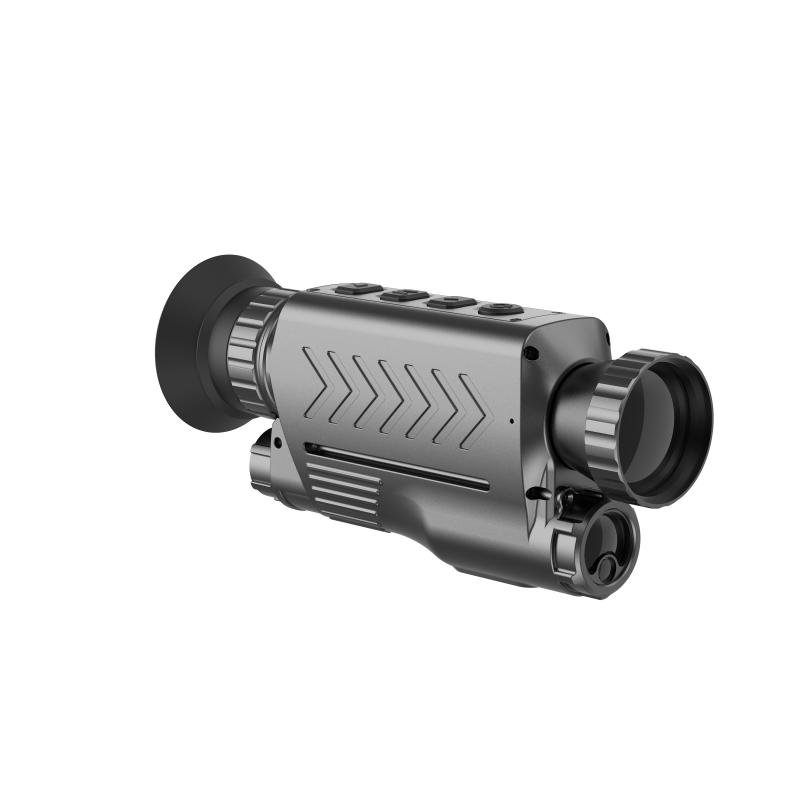
FX Series Configuration
The FX Series is a handheld infrared monocular designed around portability.
It uses an uncooled microbolometer with 256×192, 384×288 or 640×512 resolution. Depending on configuration, it can include LRF, WiFi, snapshot, video recording, crosshair and digital compass functions.
This makes the FX platform suitable for developing multifunction handheld thermal products.
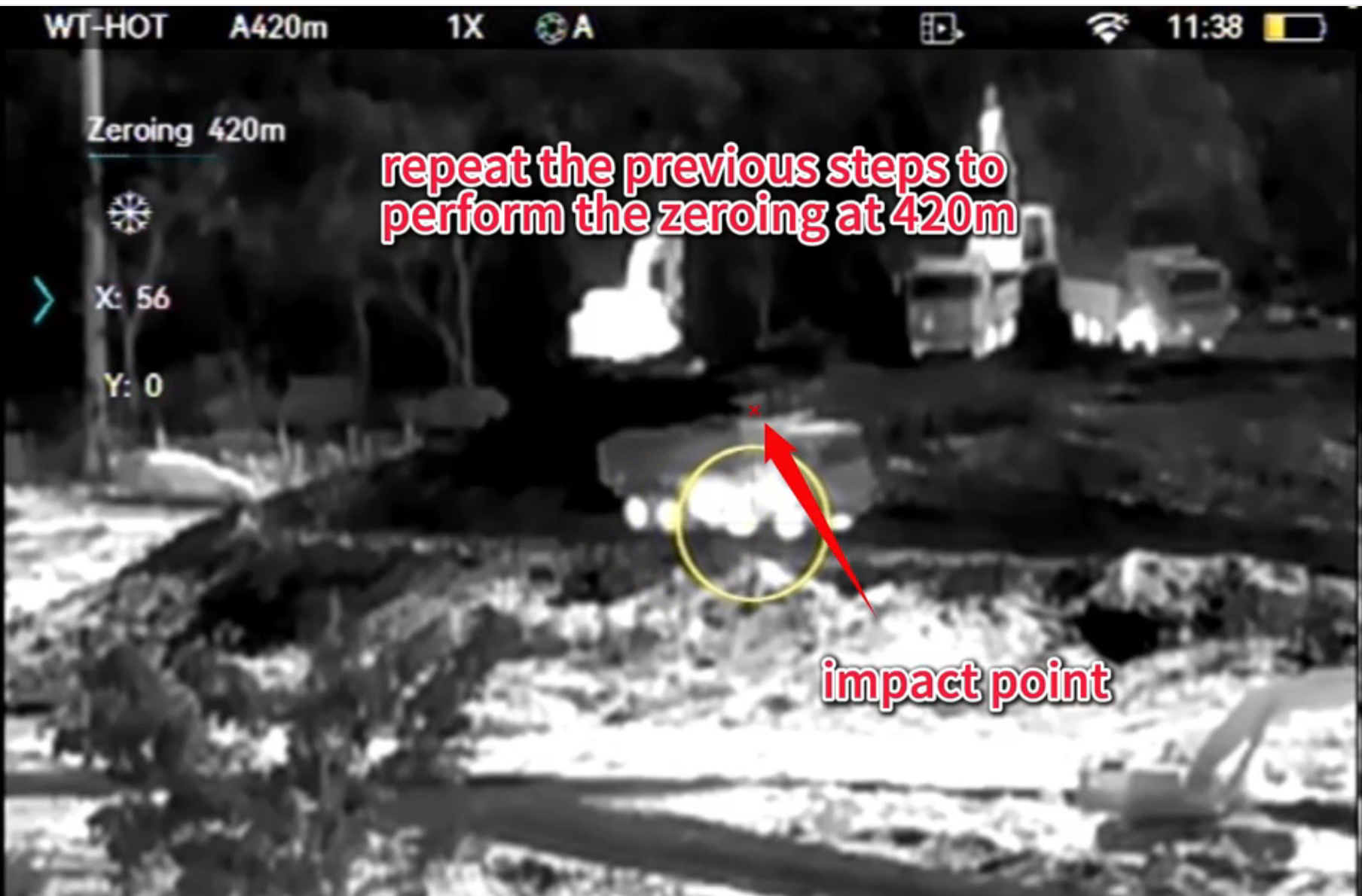
FS Series Configuration
The FS Series is designed as a thermal sight platform with multiple lens configurations.
Its product specifications include optional 1km laser ranging, video recording, WiFi image transmission and a digital display.
The device also provides multiple focal-length options depending on model, which allows different observation requirements to be addressed.
Ranging and thermal imaging Are Different Technologies
It is important for buyers to understand that thermal imaging and laser ranging perform different functions.
The thermal detector captures infrared information from the scene. The laser rangefinder measures distance using laser-based measurement.
Integration requires mechanical, optical and electronic coordination between the different modules.
Product Development Considerations
When developing an LRF thermal product, OEM buyers should consider:
Thermal lens
Laser range
Measurement accuracy
Display
Power consumption
Battery capacity
Housing size
Environmental protection
Recording and communication functions
The LRF should also be considered together with the overall product architecture rather than treated as a separate accessory.
B2B Market Positioning
A thermal monocular with LRF can be positioned differently from a basic thermal monocular.
For distributors, this can provide an additional product category within the same thermal imaging portfolio.
OEM buyers can also determine whether the LRF should be standard or optional depending on market requirements.
Conclusion
Thermal imaging and laser ranging complement each other. One provides infrared observation, while the other provides Distance Measurement.
Ferolix's FX and FS platforms provide optional LRF configurations, allowing international distributors and brand owners to consider integrated thermal observation products with additional measurement capabilities.
Comment
(0)