


News Center
News Center


How B2B Buyers Evaluate Laser Rangefinder Binoculars for Distribution
2026-09-21 10:01:17
In international optical distribution, Laser Rangefinder Binoculars manufacturers are increasingly evaluated as complete supply propositions rather than as single product keywords. Buyers generally need to understand what the product is designed to do, which configurations are available, and whether the supplier can maintain consistent specifications across repeat orders. When selecting optical product suppliers, distributors typically focus simultaneously on product stability, procurement continuity, specification consistency, and after-sales support.
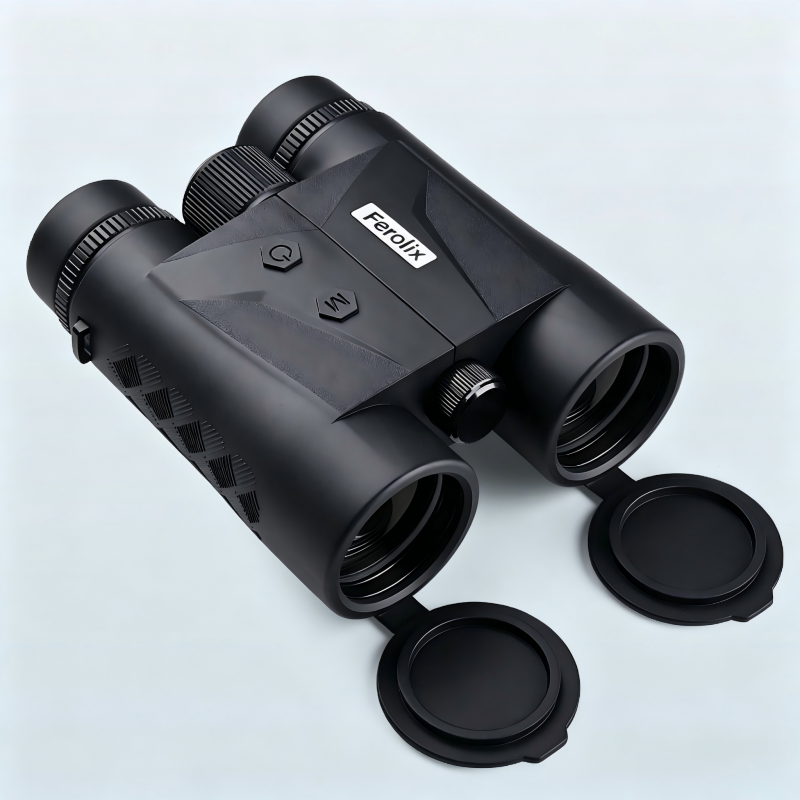
For a distributor, the first step is to define the target assortment. A laser rangefinder binoculars program may include different magnifications, objective sizes, optical configurations, ranging capabilities, and environmental protection options. Instead of comparing a single headline parameter, procurement teams can build a specification sheet covering optical performance, ranging functions, housing design, power supply system, environmental sealing, accessories, and packaging.
Supplier capability is equally important. A professional optical manufacturer should be able to coordinate optical components, mechanical assembly, alignment, electronic integration, and final inspection. For repeat B2B orders, consistency matters because a distributor needs to ensure the same product experience across different purchase batches. Clear production procedures and inspection records can facilitate communication when a project moves from sample approval to mass production.
Another consideration is commercial flexibility. Distributors and brand owners may need standard models for rapid market testing, while established channels may request OEM, ODM, or private-label configurations. A practical cooperation process can begin with product selection and samples, followed by specification confirmation, packaging or logo requirements, pre-production verification, and bulk delivery. This approach reduces unnecessary changes after production has started.
From a market-development perspective, technical content should also help buyers understand the product rather than simply repeat keywords. A useful B2B page can explain measurement functions, optical configuration, intended applications, quality-control steps, and available customization. For international buyers, clear specifications and responsive written communication can be as important as the initial quotation.
For Ferolix and similar optical manufacturers, the long-term opportunity lies in connecting product engineering with channel needs. A reliable Laser Rangefinder binoculars supply program should make it easier for distributors to select models, test samples, launch private-label products, and plan repeat purchasing. Buyers can use this framework to compare suppliers based on documented capabilities and project fit rather than price alone.
- Previous page: None
- Next page: Why Laser Rangefinder Binoculars Is Becoming a Practical B2B Optics Category
Comment
(0)