


News Center
News Center


Thermal Imaging for All-Weather Observation: Understanding Fog and Low-Visibility Performance
2026-09-29 14:46:14
Why Weather Matters
Outdoor Observation does not always take place under ideal conditions. Darkness, haze and fog can reduce the usefulness of visible-light imaging.
thermal imaging provides another source of information because it detects infrared radiation rather than relying exclusively on visible illumination.
However, thermal imaging should not be described as unaffected by weather. Atmospheric conditions can influence infrared transmission and therefore practical observation performance.
Thermal Imaging and Fog
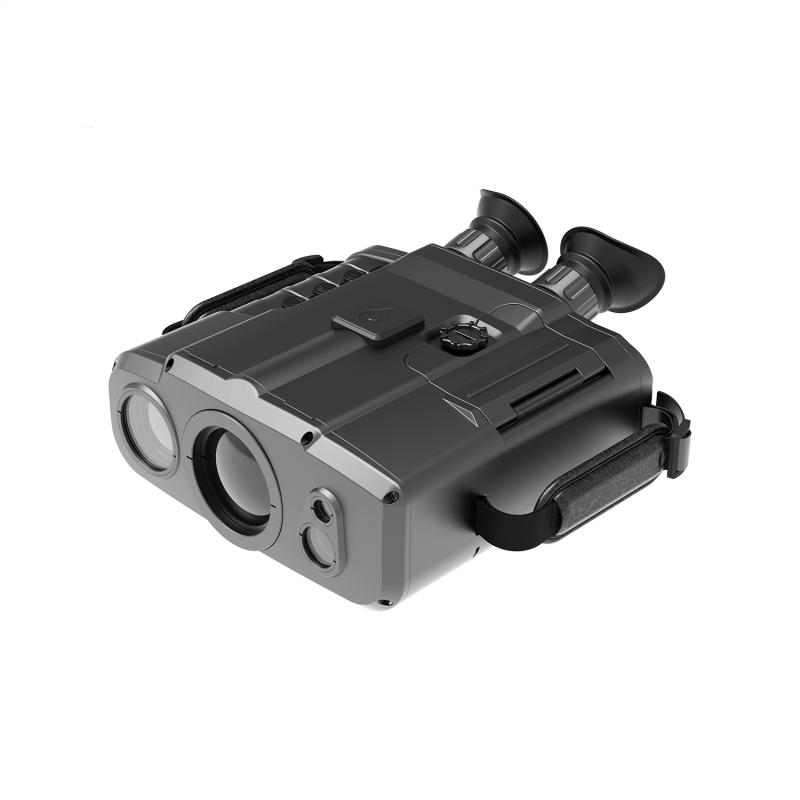
Several Ferolix integrated products specifically list fog-penetration imaging among their functions.
The FP68-U integrates infrared and visible imaging and is designed for reconnaissance under all-weather conditions.
The FP8-U also includes fog-penetration capability as part of its multispectral observation platform.
More advanced FP6C and FP6CL systems are designed for long-range observation and include de-fog functions for their visible imaging channels.
Thermal and Visible Imaging Together
One important advantage of a multispectral system is that different imaging channels can complement each other.
The FP68-U uses a 640×512 thermal detector with a 12μm pitch and ≤25mK NETD. It also incorporates a 1920×1080 visible camera.
This means the system can provide thermal and visible information within one platform.
Weather-Related Product Design
When sourcing a thermal imaging device for outdoor applications, buyers should consider more than imaging performance.
Important specifications include:
Operating temperature
Storage temperature
IP protection
Battery life
Lens configuration
Image processing
Display
Recording
Communication
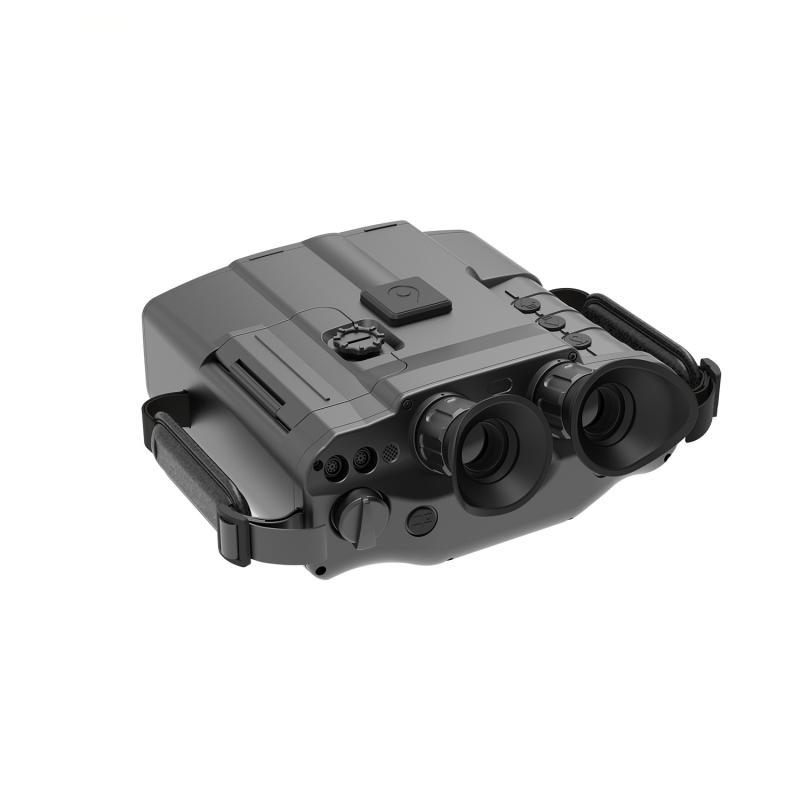
The FP68-U is specified with IP67 protection and an operating temperature range of -40°C to +60°C.
The FP8-U is also specified with IP67 protection and an operating temperature range of -40°C to +60°C.
Long-Range Observation
Weather effects become increasingly relevant as observation distance increases.
The FP6C uses a cooled 640×512 MCT detector with NETD ≤15mK and a 20–200mm thermal lens configuration.
The FP6CL provides a 15–300mm thermal lens configuration.
These products are designed for longer-range observation and combine thermal imaging with visible imaging and laser ranging.
Selecting the Right Platform
Not every buyer requires the same level of weather resistance or long-range capability.
A compact FX monocular may be appropriate for portable applications. A multispectral FP8-U may be selected when several imaging channels are required. A long-range FP6C or FP6CL configuration may be considered for applications requiring more advanced optical systems.
Conclusion
Thermal imaging provides an additional observation method for low-light and challenging environmental conditions, while integrated visible and low-light channels can provide complementary information.
For B2B buyers, the appropriate product should be selected according to the complete environmental, optical and operational requirements rather than a single specification.
Comment
(0)